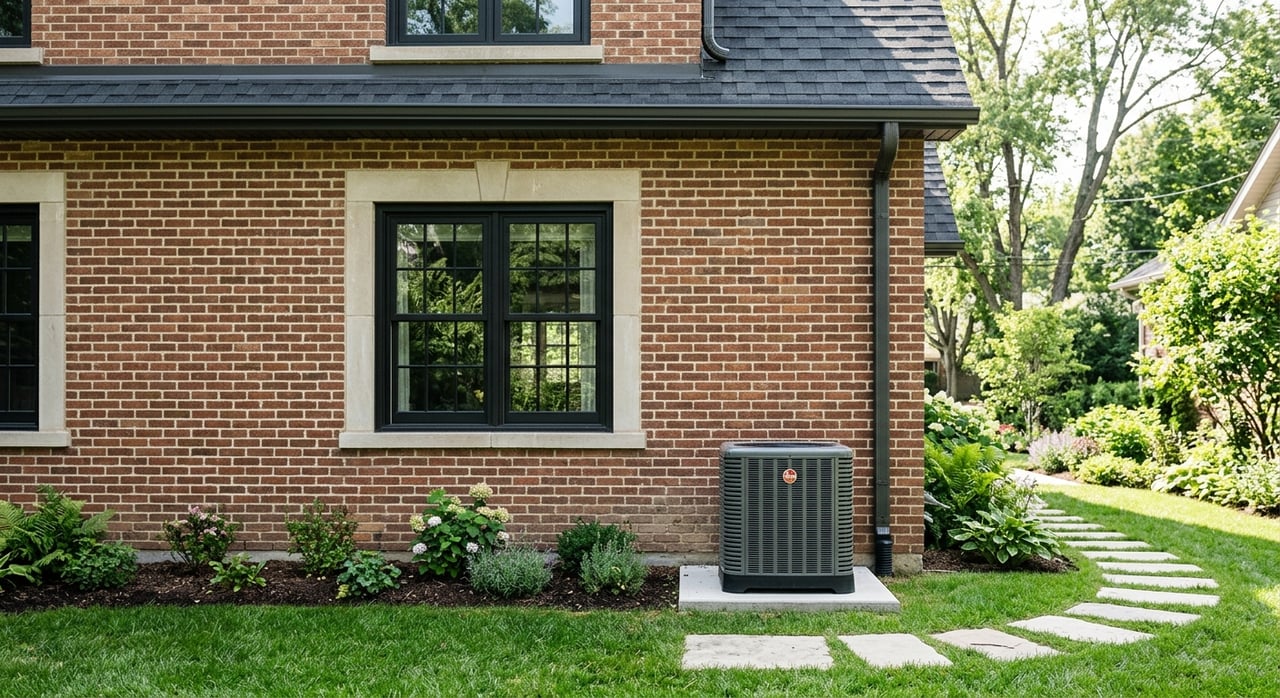
Understanding Homeownership Costs In Highland Village
July 9, 2026
July 9, 2026
Buying a home in Highland Village is exciting, but the monthly payment you see on a mortgage calculator is only part of the picture. If you want to plan with confidence, you need to look at the full cost of ownership, from property taxes to utilities to future repairs. This guide will help you understand the main homeownership costs in Highland Village so you can build a budget that feels realistic and sustainable. Let’s dive in.
When you own a home, your monthly housing cost can include much more than principal and interest. Depending on your loan and property, you may also pay property taxes, homeowners insurance, mortgage insurance, flood insurance if needed, HOA dues, utilities, and ongoing maintenance.
That matters because a home that looks affordable at first glance can feel very different once all the recurring costs are added in. Looking at the full monthly number helps you avoid surprises and make a decision that fits your day-to-day life.
Property taxes are often one of the biggest homeownership costs in Texas. In Highland Village, the city lists a combined FY 2025-26 area property tax rate of 1.804722 per $100 of value, made up of Lewisville ISD, the City of Highland Village, and Denton County.
For many buyers, the most helpful step is to turn that tax rate into a real example. On an owner-occupied $500,000 homestead, the state-required $140,000 school exemption reduces the taxable value for the school portion to $360,000, and the estimated annual tax comes to about $7,458.69, or roughly $621.56 per month, before any added local exemptions or parcel-specific special districts.
Your actual property tax bill may be different from a simple citywide estimate. Texas property taxes are locally assessed, and the exact amount depends on the property’s appraised value, the taxing entities attached to that parcel, and any exemptions on file.
Some properties in Denton County may also include added line items such as emergency services districts, water districts, or public improvement districts. That is why it is important to confirm the exact taxing entities for the specific home you are considering instead of relying only on a broad average.
Texas requires school districts to provide a $140,000 residence homestead exemption for qualifying homesteads. Taxing units may also adopt local-option homestead exemptions, and Highland Village says the city portion includes a $75,000 exemption for residents who are disabled or over 65.
Exemption applications are generally filed with the county appraisal district before May 1. If you are buying a primary residence, it is worth confirming what exemptions may apply and whether they have been properly filed.
Utilities are another important part of the monthly cost picture. In Highland Village, the city bills several services through monthly utility billing, including water, sewer, garbage and recycling, drainage, and composting and hazardous-waste-related services.
The city notes that water and sewer bills include both wholesale and city components. Sewer is also calculated using a winter-average method, which is meant to exclude typical irrigation use.
Using the city’s sample figures, a household would pay about $179.06 per month for water, sewer, trash, and stormwater before electricity, gas, internet, or HOA dues.
That sample total includes the following:
This is a useful planning number, but your actual bill can vary based on water use, lot characteristics, and the home itself.
Highland Village residential water rates include a $24.25 wholesale base charge plus $1.37 per 1,000 gallons, along with a city charge of $11 for the first 4,000 gallons and $3 per 1,000 gallons after that. For sewer, rates include a $22.40 wholesale base charge plus $1.54 per 1,000 gallons, along with a city charge of $17 for the first 2,000 gallons and $3.70 per 1,000 gallons after that.
Trash and recycling service is provided weekly by Republic Services for $22.08 per household. According to the city, that fee includes trash collection, recycling, yard waste, household hazardous waste, and bulk pickup.
Highland Village also charges a stormwater fee based on impervious cover. The rate is $1.80 per 1,000 square feet of impervious cover, and the city says the average home has 4,094 square feet, which works out to about $7.37 per month.
Homeowners insurance is another major expense to include in your budget. The Texas Department of Insurance says homeowners insurance is not legally required, but if you have a mortgage, your lender will usually require it.
Insurance costs can vary quite a bit from one property to another. Premiums are influenced by factors such as the home’s age and condition, replacement cost, building materials, location, fire protection, claims history, and credit.
One detail many buyers miss is that standard homeowners policies generally do not cover flooding. That means it is smart to ask whether the property may need a separate flood policy and what that would add to your monthly or annual cost.
This is especially important when you are comparing homes that may look similar on paper. A difference in insurance needs can change the total cost of ownership more than you might expect.
If the home is in a property owners’ association, be sure to add HOA dues to your budget. These dues are community-specific, so there is no single Highland Village number that applies to every property.
Texas law requires the resale certificate to disclose the frequency and amount of regular assessments, any approved special assessment due after delivery, and the total amount of unpaid dues tied to the property. In simple terms, you should know not only the regular dues, but also whether any extra costs are already in the pipeline.
Even if your mortgage, taxes, and utilities fit your budget, homeownership still comes with upkeep. Routine maintenance and repair savings are an important part of long-term affordability.
Large future expenses like a roof or HVAC replacement should be part of the conversation before you make an offer. If a home has older systems or components, planning ahead can help you avoid financial stress later.
Many homeowners pay taxes and insurance through escrow as part of their monthly mortgage payment. If your loan also requires mortgage insurance, that can increase the monthly total as well.
This is why the full carrying cost matters more than the mortgage payment alone. Two homes with similar sale prices can lead to different monthly budgets once taxes, insurance, HOA dues, and escrow items are included.
Here is a basic example using the figures from the research above for a $500,000 owner-occupied homestead:
That example shows how quickly non-mortgage costs add up. Before you even factor in principal, interest, and insurance, you may already be budgeting more than $800 per month in recurring ownership costs.
The clearest budgets usually come from asking specific questions early. As you evaluate a home in Highland Village, here are a few smart ones to keep in mind:
Understanding homeownership costs is not just about math. It is about making sure the home you choose supports your bigger goals and brings peace of mind after closing.
In a market like Highland Village, small details can make a meaningful difference, especially when you compare tax setups, utility patterns, HOA dues, and the condition of major home systems. When you have local guidance and a clear budget, you can move forward with much more confidence.
If you are thinking about buying or selling in Highland Village and want a calm, informed conversation about what the numbers really look like, Mikel Porter Real Estate Group is here to help.
Stay up to date on the latest real estate trends.


The Mikel Porter Real Estate Group is more than just a real estate team; we are trusted advisors, skilled negotiators, and dedicated partners on your real estate journey. Contact us today!